
Starting on Feb. 1, California could face cuts to federal funding due to Trump’s accusations of corruption within California and many other states with established sanctuary cities.
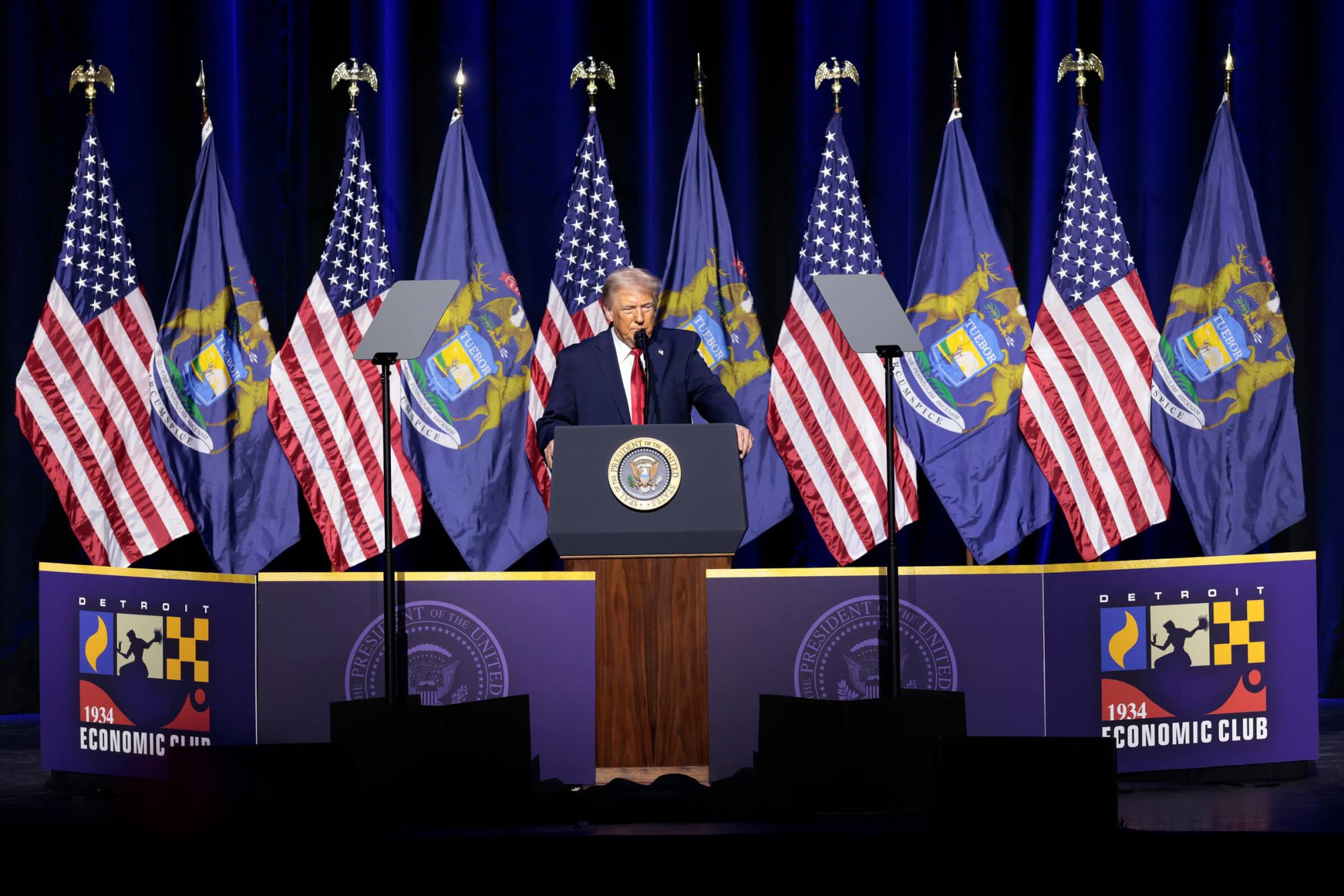
On Jan. 13, Trump made the announcement at the Detroit Economic Club, stating that federal funding would be cut from states that contain sanctuary cities, including California. Trump accused sanctuary jurisdictions of protecting criminals and contributing to crime rates. After the speech, he posted on social media, using strong language to repeat his claims that sanctuary cities lead to increased violence and crime. “Starting Feb. 1, we’re not making any payments to sanctuary cities or states having sanctuary cities,” Trump said, adding that they “do everything possible to protect criminals at the expense of American citizens.” (AP News)
What is a sanctuary city?
Although there is no formal definition, a sanctuary city generally refers to a place where policies limit cooperation with Immigration and Customs Enforcement, known as ICE. These policies often involve refusing to honor ICE detainers or prohibiting local agencies from working directly with immigration enforcement. “Effective February first, no more payments will be made by the federal government to states for their corrupt criminal protection centers known as sanctuary cities,” Trump wrote in a social media post. (Reuters)
An executive order was made which directed the Department of Justice and Department of Homeland Security to identify grants and contracts that could be suspended. Attorney General Pam Bondi sent letters to 32 sanctuary jurisdictions, warning they could lose funding. The Department of Homeland Security later released a list of more than 500 sanctuary jurisdictions nationwide. The court order only applies to jurisdictions involved in the lawsuit, and other legal challenges remain ongoing. “Bondi urged jurisdictions to comply with the administration’s immigration enforcement efforts or risk losing funding, citing an executive order signed earlier this year.” (The Hill)
Trump did not specify which federal funds would be affected, saying the cuts would be significant. Courts have blocked similar attempts in the past, including efforts made in 2017 and again last year. A federal judge ruled that the order was likely unconstitutional and blocked its enforcement.
Legal experts say Trump’s latest funding threat could be more difficult to block in court. The administration may be targeting specific grant programs with greater flexibility. Chicago officials said threatened funding includes public health and safety programs, and some clinics reportedly lost federal funding shortly after the announcement. Chicago Mayor Brandon Johnson said he expects courts to rule against Trump again. ”I’m confident that, as the courts have done before, rule in our favor that he is working outside the Constitution,” Johnson said. (CBS News)
As legal challenges continue, Trump’s latest funding threat could have lasting effects on public health, safety, and everyday life in affected communities. While the administration frames these cuts as a matter of law and order, the reality is that withholding federal support places pressure on cities and states long before courts ever rule. Regardless of the outcome, using funding as a political weapon raises serious questions about who is actually being punished and whether those consequences extend far beyond the officials being targeted.
Sources: