






















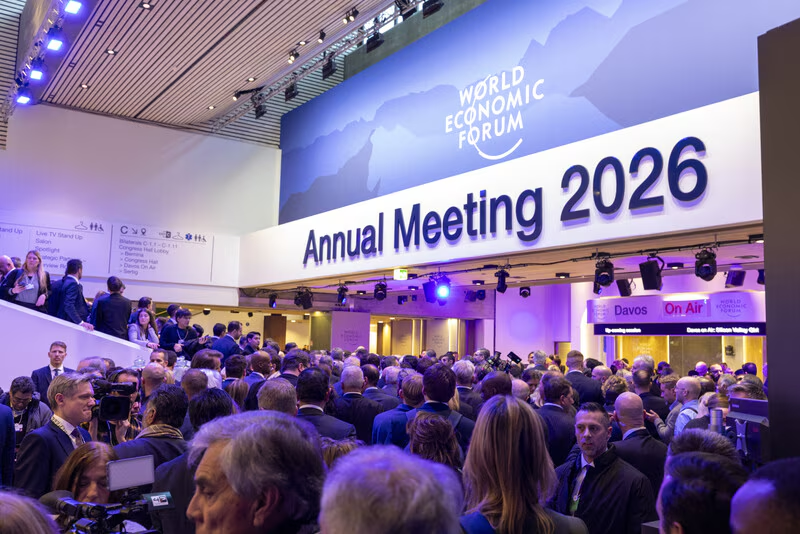
The World Economic Forum (WEF) is a meeting held every year in Davos, Switzerland. Leaders from all around the world attend, including world leaders, business leaders, and economists. They meet to talk about global problems such as trade, economic growth, climate change, and global security. The main goal of the WEF is to encourage countries to work together and find answers to problems that affect everyone. But, at the most recent WEF meeting, there was clear tension between the U.S and European countries.
One of the biggest reasons for this tension was additional taxes on trade. Leaders from the U.S said that globalization has not helped the country as much as thought. They argued that globalization caused many factory jobs to move over the seas, which hurt American workers. Because of this, U.S leaders agreed with policies that focus on protecting American businesses and workers. This meant limiting trade with other countries if needed. European leaders did not agree with this idea.
They thought globalization helps countries grow together and said that reducing trade could hurt the global economy, including the economy of the United States. Another issue talked about at the meeting was the U.S. threats to place higher taxes on trade, also known as tariffs, on products imported from Europe to the U.S. These products included steel, cars, and other products. European leaders felt these threats weren’t fair to them. They were scared that higher tariffs could hurt businesses and workers on both sides.
They also warned that trade wars usually lead to higher prices for people and can hurt economic growth. The trade argument was connected to disagreements over Greenland and the Arctic region. The U.S showed interest in Greenland because of its location and resources. The Arctic is becoming more important as the ice is melting and new trade routes open up. European countries saw the U.S. actions as pressure and as interfering. They worried that the U.S was trying to get too much power and influence in the region, which could threaten Europeans independence.
The tension at the WEF showed growing disagreements between the United States and Europe. The U.S. was focused more on protecting its own interests, while European leaders stressed the importance of cooperation and strong partnerships with others. These disagreements made it harder for countries to agree on solutions. The meeting made it clear that more communication will be important for the future of global trade and international relationships.