
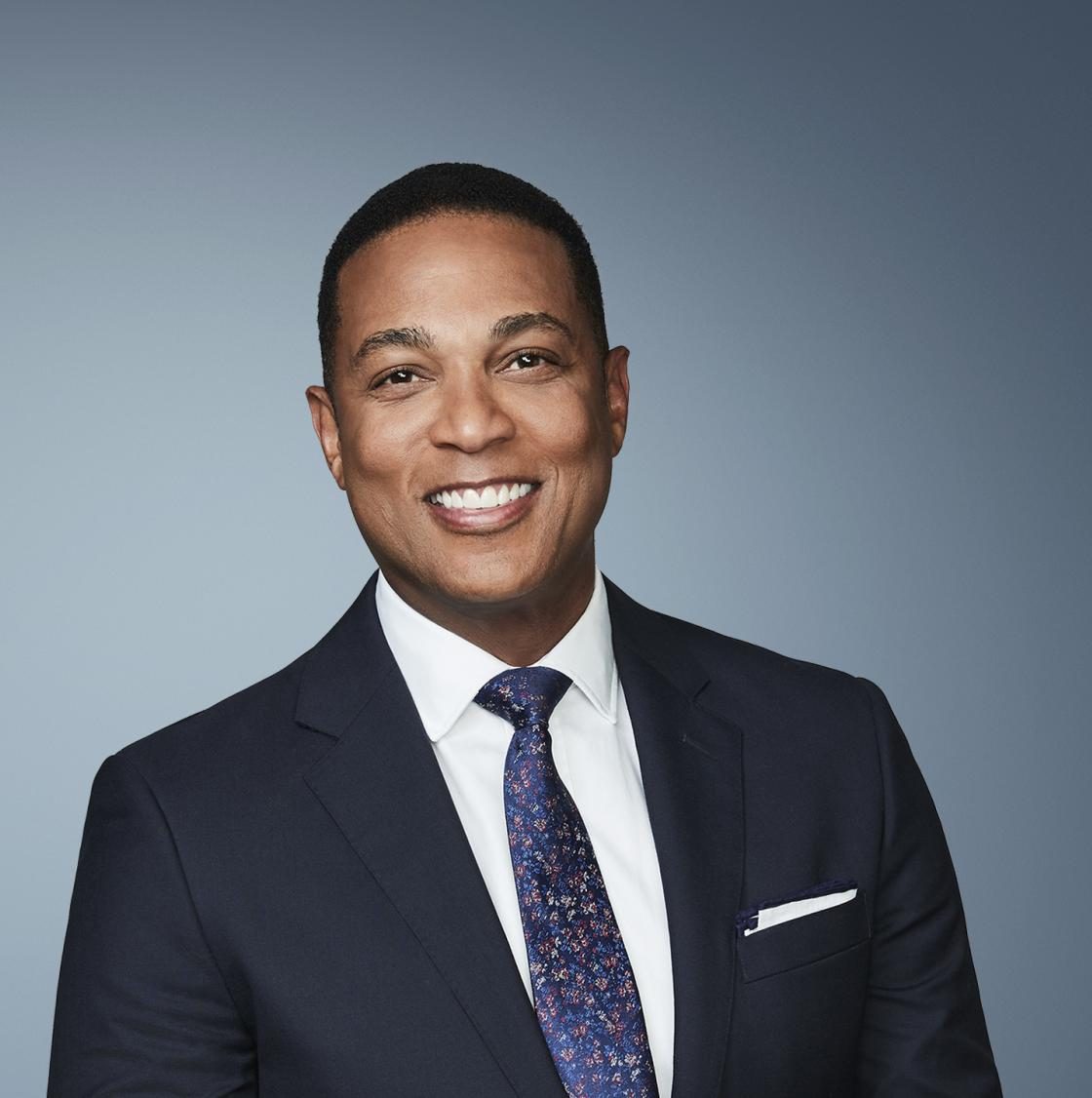
On Jan. 18, former CNN host Don Lemon was arrested and charged following an anti-ICE protest at Cities Church in St. Paul, Minnesota. The charges include conspiracy to deprive rights and interference with religious freedom, tied to an incident in which protesters entered the church during a worship service. Lemon was present filming and livestreaming the protest, repeatedly stating that he was there fulfilling a journalist role.
Prosecutors argue Lemon went beyond reporting. According to the indictment, he allegedly assisted protesters and physically obstructed congregants as they attempted to move through or exit the building. Lemon disputes this claim, maintaining that he was documenting a developing event, something he says he has done for decades. He was arrested by federal agents while in Los Angeles, released after a court appearance, and has not yet entered a plea.
At the center of this case is not only a protest or a church service, but the role of journalism during political conflict. Lemon was arrested while reporting, not after the event and not for an unrelated offense. The government argues that his actions crossed into criminal interference, but that line is being drawn by prosecutors after the reporting occurred. That distinction matters.
When journalism is reframed as participation, press freedom becomes conditional. Broad conspiracy changes shift the focus away from concrete actions and toward association and proximity. Being near protesters, filming them, or moving through the same space is treated as evidence rather than circumstance. In this case, Lemon repeatedly identified himself as a journalist, yet that status offered no protection from arrest or prosecution.
The response from federal officials has done little to ease concern. The arrest was publicly mocked by government accounts, signaling a dismissive attitude toward the constitutional issues involved. The First Amendment exists to protect coverage that challenges authority, not just coverage that is convenient or comfortable.
This case raises a question that cannot be ignored. If reporting during a protest can be labeled obstruction, then accountability becomes optional. Journalism loses its protection the moment it becomes inconvenient. What happens next will matter far beyond Don Lemon, because it will help determine whether the First Amendment still holds its ground when power is being questioned.

Sophia • Feb 23, 2026 at 11:32 pm
I loved this informative article!