






















The koala has been a part of people’s stories and tradition throughout history through myth, folk lore, and national identity as a whole. These stories show how koalas have been used to explain how humans and the environment are connected. They show the symbolic nature of the animal in survival, spirituality, and tranquility. When inspecting how koalas are represented in Indigenous Australian cultures and more modern global perspectives, it’s clear why the koala is such an important cultural symbol.
In Indigenous Australian cultures, the koala is a very spiritual animal depicted in stories of dreams. Known in the Dharug language as gula, meaning “no drink,” many myths viewed the furry guy as a water-storer who survived or even caused ancient droughts. (1.) (2.) In South East Queensland, the figure Koobor is seen as a “drought maker” himself, whose attitude served as a sign towards the environment, prompting changes in the landscape. (1.) Many cultures also viewed them as heroes, as Gumbaynggirr (an Australian nation) lore credits the Koala Brothers with saving people from rising seas by creating a bridge from their very own bodies. (2.)
For many clans, such as the Birpai, the koala is a sacred guardian and totem (1.) Long ago, European settlers were unsure of what the koala was, prompting the names “soth” and “native bear” to emerge for quite some time. (3.) In fact, this mistake can still be seen today in the more common name of “koala bear.” (3.)
During the 19th and early 20th centuries, the koala was largely viewed as an economic resource through commercial fur trade. (3.) Though suddenly, a major shift in the public lens during the 1920s transformed the animal into a universal face representing conservation and animal welfare. (3.)
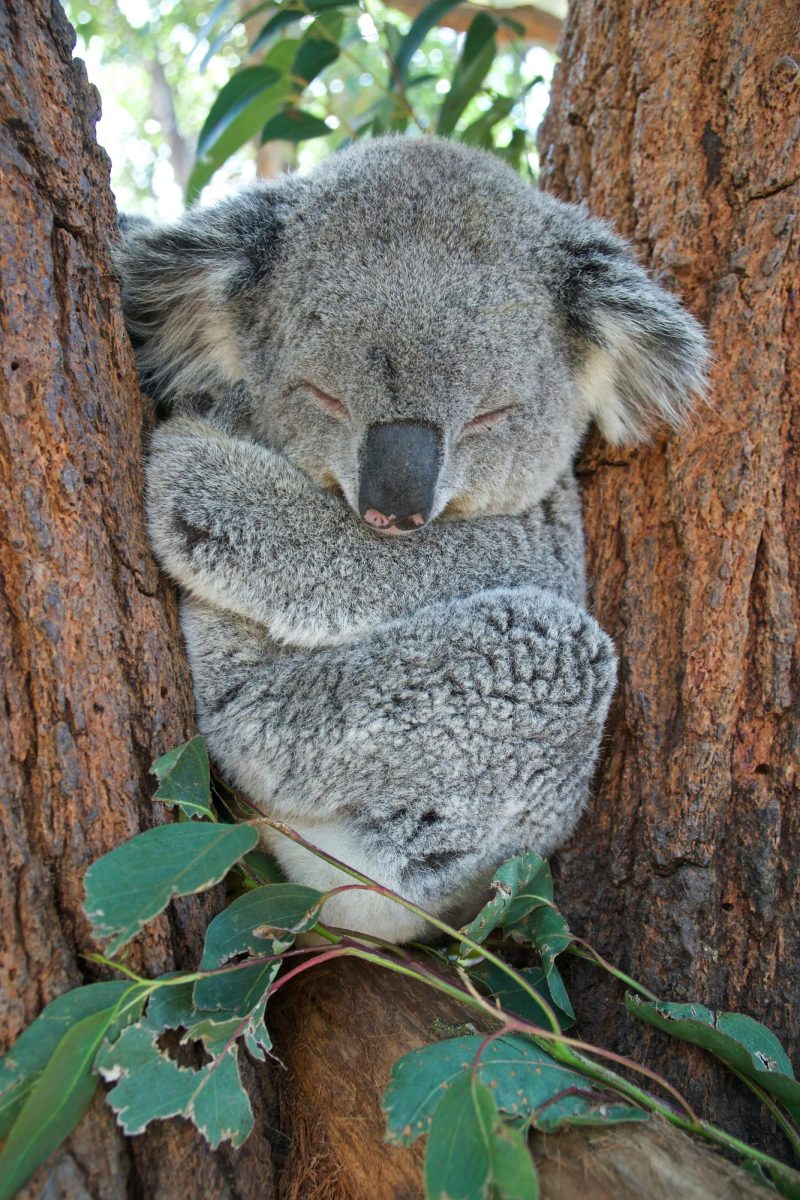
In modern times, the koala has become a popular symbol of the commonly associated term “Zen.” (4.) Due to their 20-hour sleep cycles, they’ve represented tranquility, patience, and a “slow living” in recent times. (4.) The koala is now like an ambassador of sorts, serving as Australia’s main symbol within touring, symbolizing the country’s unique biodiversity to the world. (2.)
Looking at koalas across cultures shows clear patterns in how their role gradually evolved. In Indigenous cultures, they’re a powerful spiritual ancestor and weather omen. In global culture, they’ve transitioned into symbols of peace and environmental preservation. Whether in ancient legends or modern media, the koala reflected how varying societies interpret nature, survival, and the importance of rest.
Sources
- The Significance of Koalas for First Nations People | Common Ground
- A cuddly cultural icon: the koala’s enduring significance | WWF Australia
- History of Koalas – Australian Koala Foundation
- Koala Spiritual Meaning: Tranquility, Relaxation & Calmness