





















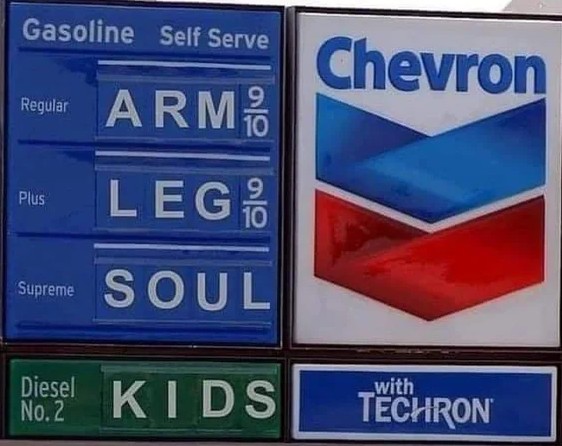
In recent days, filling up the gas tank has become significantly more expensive. This is not a random price increase, but rather a direct consequence of the tensions between Iran and the United States currently unfolding in the Middle East that are causing the rising of prices in many places.
Speaking of the United States, gas costs have risen sharply over the past few weeks, with prices varying significantly depending on the region. “The average price of gasoline in the United States has risen by nearly a dollar per gallon since February 28th , when the U.S. and Israel launched attacks against Iran. In retaliation, Iran struck energy facilities in nations allied with the U.S. and effectively blockaded the Strait of Hormuz, an important waterway through which approximately one-fifth of the world’s oil supply passes.”
The situation in Europe is equally difficult. In many countries, prices continue to increase dramatically, leaving citizens to budget how much they can afford for their transportation costs. Some governments are seeking out solutions to assist families, while experts advise reducing car travel or working from home whenever is possible.
However, the impact of this conflict is being felt most acutely in Asia, given that the entire region relies heavily on oil imports from the Middle East. Governments are attempting to respond, but at the moment viable solutions remain scarce and difficult to implement. Indeed, Asia stands as the region hardest hit by rising oil prices, owing to its heavy dependence on oil and natural gas transportation. For these reasons, consumers in certain nations have begun to panic and reach a pitch that threatens not only economic instability, but also violent protests for the access of energy resources.
The central takeaway is that the conflict is having big consequences on people’s daily life and affecting simple usual activities, in this case bound to the increasing gas costs causing panic between citizens and fear of future consequences.